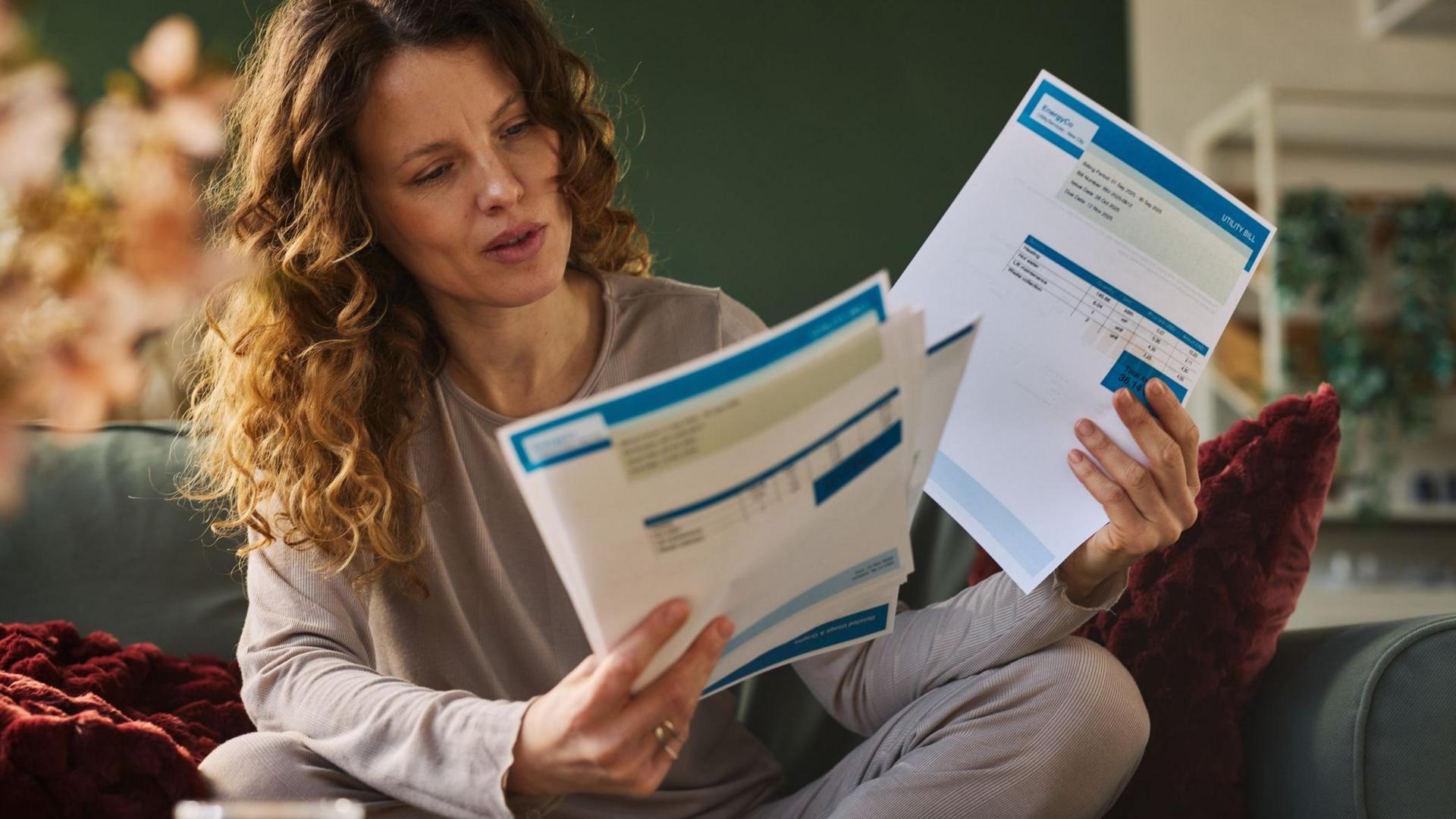
Millions of households are about to learn what a 26% rise in a typical annual energy bill means in practice. Consultancy Cornwall Insight forecasts that increase ahead of Ofgem's official announcement of the new price cap, which will take effect in January, at the coldest time of year. The report is clear that the rise is driven mainly by wholesale gas prices, which have climbed as the war in Iran pushed up international gas costs and storage levels entered winter relatively low.
The numbers are stark. If the forecast holds, a household using a typical amount of gas and electricity and paying by direct debit would see bills rise by about £37 a month from January to the end of March, and a typical annual bill would be £443 higher than the current cap. Energy UK says the average price of gas is 166% higher than late last year, before the Iran war began. Those are not small adjustments for a budget already stretched by years of compounding crises, as Citizens Advice's Dame Clare Moriarty described.
Government support is real but thin relative to the scale of the rise. A £100 payment, a temporary 5% VAT cut on electricity expected to save about £45 a year, and a £150 warm home discount for six million benefit households will help. Yet the warm home discount is funded through everyone's bill, and calls to extend support have been made. The £100 payment is automatic only for council tax bands A to D in England and equivalent schemes elsewhere, and Citizens Advice warns that prepayment meter users, who top up most in the coldest months, may see that money disappear quickly.
The debt problem deserves more attention than it is getting. Energy UK estimates that £67 of the average annual bill already covers unpaid energy debt, and total energy debt is likely to approach £7bn by year end. Centrica's Chris O'Shea said he was hugely concerned, describing a massive problem of people unable to pay and a growing number choosing not to. Ministers should target help at households on quarterly payments and prepayment meters, who face the biggest additions, rather than relying on blanket gestures that do not reach them where the pressure is greatest.
The government should stop presenting each price cap announcement as an isolated event and set out a clear plan to reduce exposure to volatile gas markets and to cover network costs that the report expects to stay high. Households cannot budget for a winter they are told will be brutal and then left to absorb it. Ofgem's announcement should be followed quickly by targeted, adequately funded support, because the cost of inaction will show up later in debt, emergency appeals and a weaker wider economy.