Oil prices held in a tight range on Monday, but the calm is misleading. Brent crude futures fell 28 cents, or 0.30%, to $92.29 a barrel by 0216 GMT, while US West Texas Intermediate futures fell 15 cents, or 0.18%, to $83.26 a barrel. Crude extended a three-week losing streak, pushed lower by a broader market selloff that spilled over from concerns about whether the AI sector can boost economic growth. Asian equities opened lower, with South Korea's tech-heavy market down 4%, and the Nasdaq plunged 10% last week.
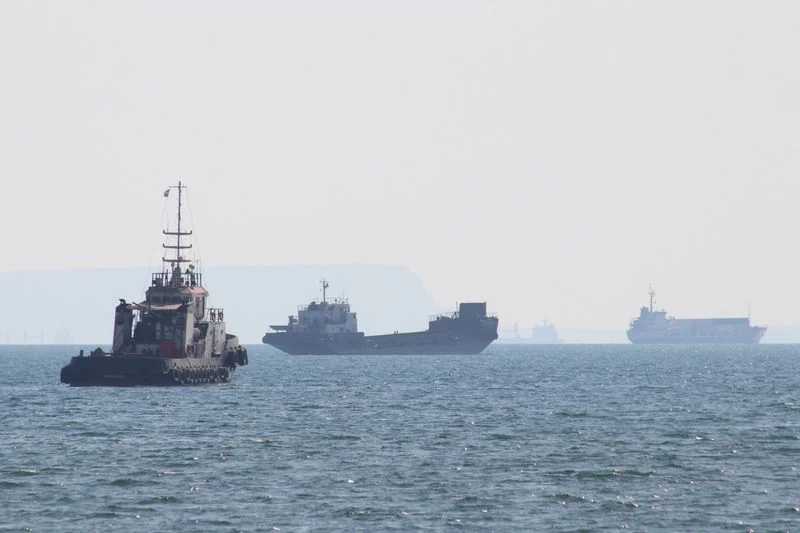
Read on its own, the price action suggests markets are simply repricing growth fears. That reading misses what is holding oil up. The report says the fighting in the unresolved US-Israeli war against Iran continues to limit losses. On Sunday, the Iran-aligned Houthi movement claimed an attack on a Saudi Arabian oil refinery, and multiple attacks on shipping in the Gulf and near the Strait of Hormuz were reported over the weekend. Those are the facts that should keep traders and policymakers awake, not the daily fluctuation of a few cents.
Mukesh Sahdev, chief oil analyst at Sydney-based XAnalysts, offered the sharper warning. He said that momentum is carrying prices down, but cautioned that the shipping attacks are beginning to show up in the data: ballast, or empty, vessel counts are building in crude while laden vessels are not. In his words, this risk to flows "will start to price soon." A market that has ignored physical disruption for weeks may find that the bill arrives all at once.
The climate talks in Turkey point to a different kind of risk. Negotiations at the global climate summit COP31 collapsed on Sunday for the first time since 2009, after nations could not agree on including a statement on phasing out fossil fuels. Saudi Arabia and other large oil producers said fossil fuels will play a role in the economy for the foreseeable future and lobbied to keep any mention of them out of the text, observers said. OPEC had earlier defended fossil fuel use at the summit.
What should happen next is clearer than the market's mood suggests. Investors should stop treating the shipping attacks as background noise and start stress-testing their oil exposure against a sustained disruption in Gulf flows. Governments and the OPEC+ ministers meeting on November 29 to set 2027 output policy should weigh supply security alongside the fiscal comfort that high prices provide producers. A calm tape on a Monday is not evidence that the risk premium has gone away.