The Senate voted 62-33 on Thursday to pass the Bipartisan American Affordability and Jobs Act of 2026, a permitting and transmission bill that is projected to lower energy costs for consumers while weakening some environmental laws. Supporters, including Sen. Martin Heinrich, D-N.M., argue that the bill answers the affordability message voters sent in the midterm elections. That argument deserves to be taken seriously, but it does not settle the question of who the bill is actually built to serve.
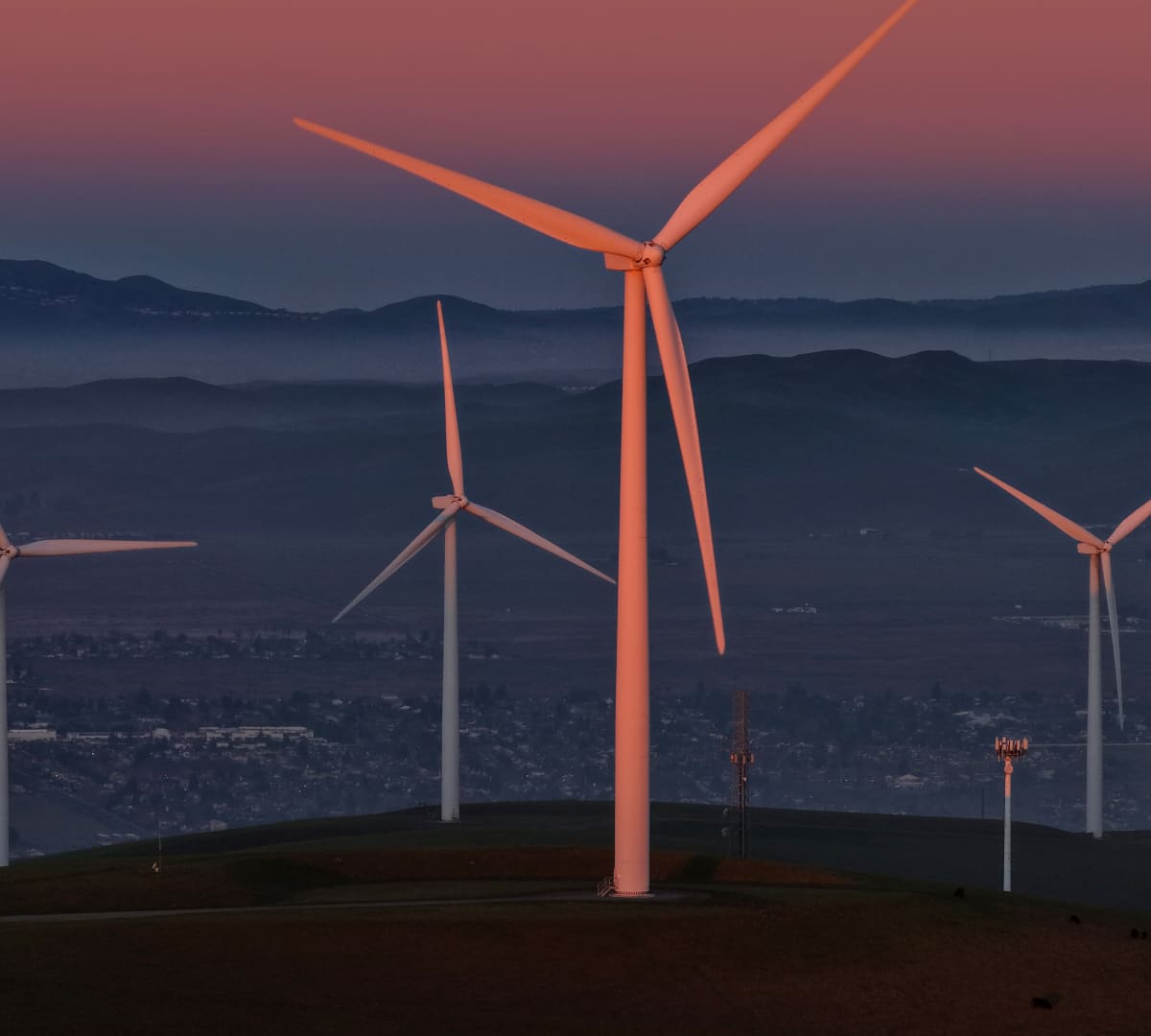
The strongest case for the measure is the transmission component. Rob Gramlich of Grid Strategies said that 60 to 80% of the grid cannot come from renewable energy without a significant expansion of grid capacity, and that the U.S. is investing much less in its grid than other countries. New solar and wind projects are often bottlenecked by transmission, so this part of the bill addresses a real constraint. Rhodium Group estimates the bill could allow an additional 17 to 249 gigawatts of clean energy to be built by 2040.
The same report, however, shows how the benefits are distributed. Rhodium's estimates also project natural gas exports rising 8% to 15% beyond a 76% to 145% rise already accounted for under current policy, and greenhouse gas reductions ranging from 5 to 148 million metric tons annually in 2040. That range is wide enough to make any claim about the bill's climate effect uncertain. The American Petroleum Institute praised the measure as a major breakthrough, and the bill's language protecting already-permitted projects from cancellation is aimed at renewables, but the fossil fuel industry is clearly among the winners.
The data center provisions deserve the sharpest scrutiny. The report notes that the bill requires hyperscalers to pay for grid upgrades, which is a meaningful concession. Yet Sen. Ron Wyden, D-Ore., pushed an amendment to block data centers from public lands, and the Natural Resources Defense Council warned that the bill gives Trump a blank check to reward data center developers. When a measure is sold as a consumer affordability bill, the consumers who will absorb the costs of expanded demand deserve clearer protection than a cost-sharing clause provides.
Democrats should use the House vote to demand the changes the bill currently lacks. Rep. Jared Huffman, D-Calif., is right that this version should not be treated as the only chance at permitting reform. Passing a bill that trades environmental safeguards for speed, while handing the tech sector and oil producers their share, is not the affordability win its backers describe. Lawmakers should keep the transmission gains and fix the rest.