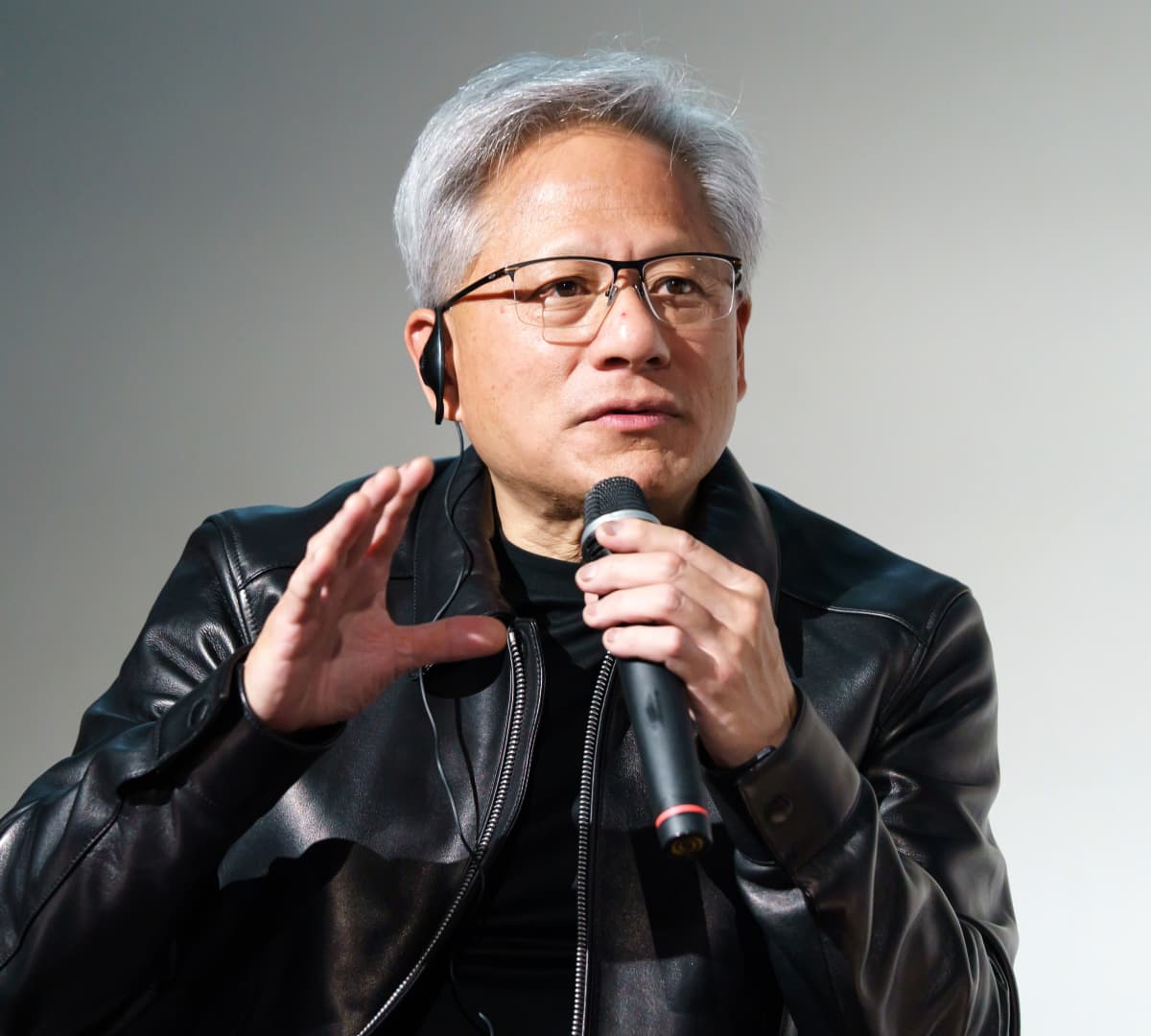
Nvidia CEO Jensen Huang walked into the company's Santa Clara headquarters on Monday and ran his regular morning meeting with top executives, according to people familiar with the gathering who spoke to CNBC. He opened by addressing his infidelity and apologizing to staff, then took no questions and moved straight to the day's business. The message was clear: normal operations, and little else.
That approach may suit a chipmaker's calendar, with quarterly earnings just a week away. It does not suit the situation. Huang disclosed in a Sunday email that he had an extramarital affair, while declining to name the person involved. The Financial Times has reported that the relationship was with Alice Huang, a former Megaspeed executive, and that the probe has moved forward into an alleged Chinese spy. An apology delivered before a closed-door agenda does not answer questions that employees, investors and regulators are entitled to ask.
The people quoted in the report describe a workforce that is sad, shocked and struggling to come to terms with what happened. Many longtime employees, they said, had viewed Huang as an idol and a guiding light. When the leader at the center of a company's identity becomes the subject of a national-security-linked inquiry, a return to routine is not reassurance. It is a request that staff simply stop thinking about it.
The board's decision to open an investigation and hire Wachtell, Lipton, Rosen & Katz on Tuesday is the step that matters most. Its findings should be made as transparent as possible, and it should be clear about how any conflict between the CEO's personal conduct and company interests will be handled. Nvidia's influence is enormous: it powers much of the AI boom and sits at the center of Washington's debate over chip sales to China, and Huang has been a prominent voice in that debate, even traveling with President Donald Trump to China and sitting near Chinese President Xi Jinping at the White House state dinner.
That is why the scrutiny of his continued push for more AI chip sales to China is not a side issue. The board should resolve it openly before the company asks the public to treat the matter as ordinary business.