The U.S. Commerce Department on Monday issued an interim final rule to close a loophole that let Chinese companies lease advanced Nvidia computing power from data centers in third countries. The rule comes from the Bureau of Industry and Security, which said the Treasury Department and the White House National Security Council wrote it and directed its content.
The rule requires a license to export, reexport or transfer advanced semiconductors to Indonesia, Malaysia, Singapore, Thailand and Brazil. The rule says these countries present a higher-than-normal risk of diversion. It also says the Secretary of Commerce may designate additional countries.
According to the rule text, the restrictions aim to prevent certain foreign actors from using advanced computing power based on U.S. technology to threaten U.S. national security and foreign policy interests. The rule says the restrictions "will undermine the ability of companies headquartered in countries of concern" to use U.S.-made advanced AI chips to train advanced AI models.
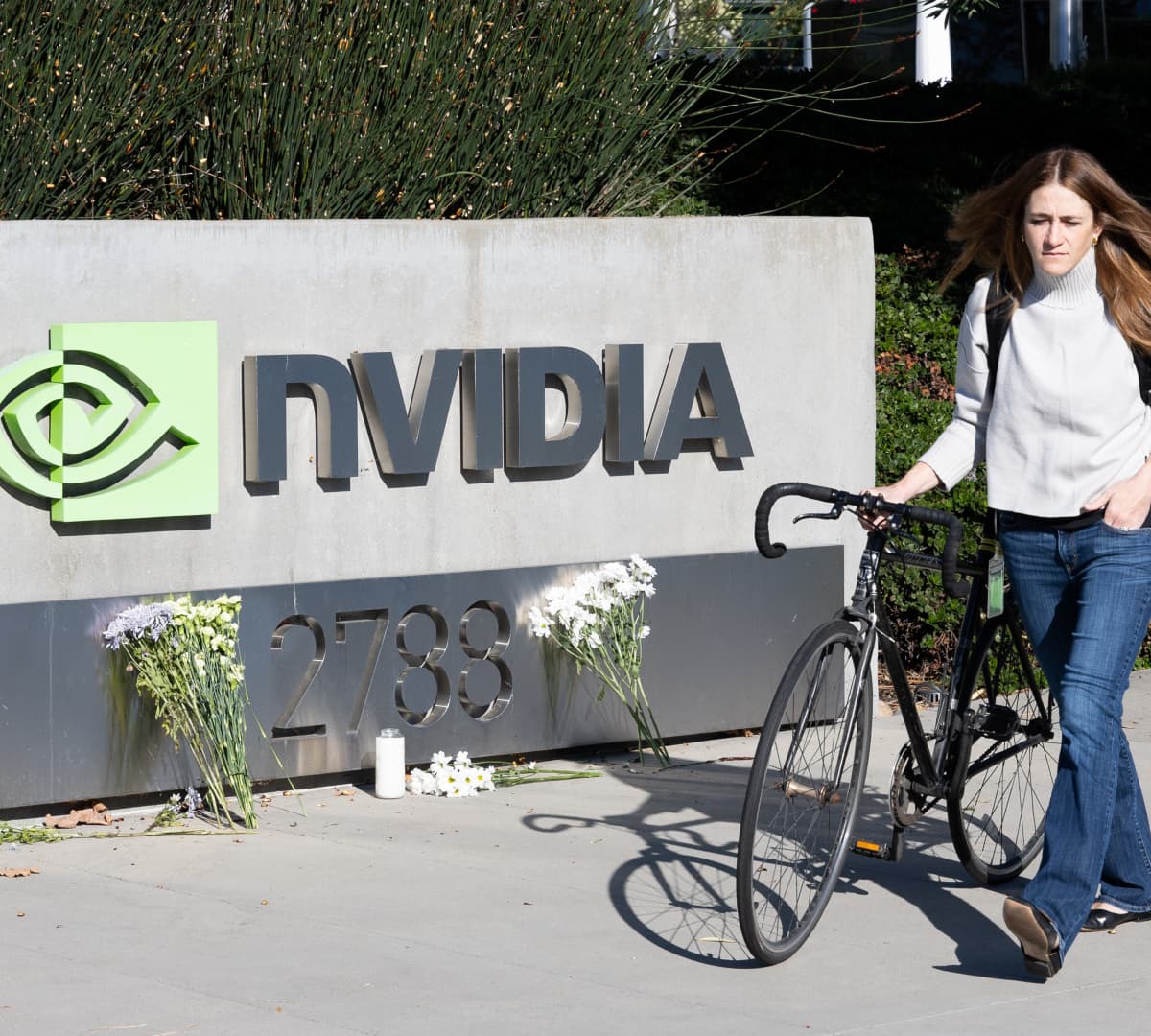
The rule follows a scandal involving Nvidia. Jensen Huang resigned as Nvidia CEO last week after reports that he had an affair with Alice Huang, whom reports described as a Chinese spy working for Megaspeed. The two are not related. China's government has denied that Alice Huang was a spy. The New York Times reported on Nov. 9 that U.S. authorities had been investigating Singapore-based Megaspeed and Alice Huang since 2024. The Times reported that Megaspeed was building data centers in Southeast Asia to serve Chinese clients, including Alibaba, and that U.S. officials were concerned some of the Nvidia chips it bought were illegally routed into China.
Treasury Secretary Scott Bessent, in a CNBC interview on Friday, blamed the Commerce Department for not placing Megaspeed on its entity list. Sen. Maria Cantwell, the ranking Democrat on the Senate Commerce Committee, wrote to Commerce Secretary Howard Lutnick that Chinese companies such as Alibaba and ByteDance had used overseas data centers with advanced Nvidia chips to train AI models. She wrote that the department failed to close the loophole despite warnings from the Bureau of Industry and Security.
Chris McGuire, a former deputy senior director for technology and national security at the National Security Council and a Council on Foreign Relations senior fellow, called the rule "a major step forward" in a post on X. He said some loopholes remain, including those related to activities inside the United States, and urged Commerce to close them in a follow-up rule.
Shares of Nvidia and other AI-linked companies, including Micron Technology, Intel and Advanced Micro Devices, fell Monday morning after the rule was announced.