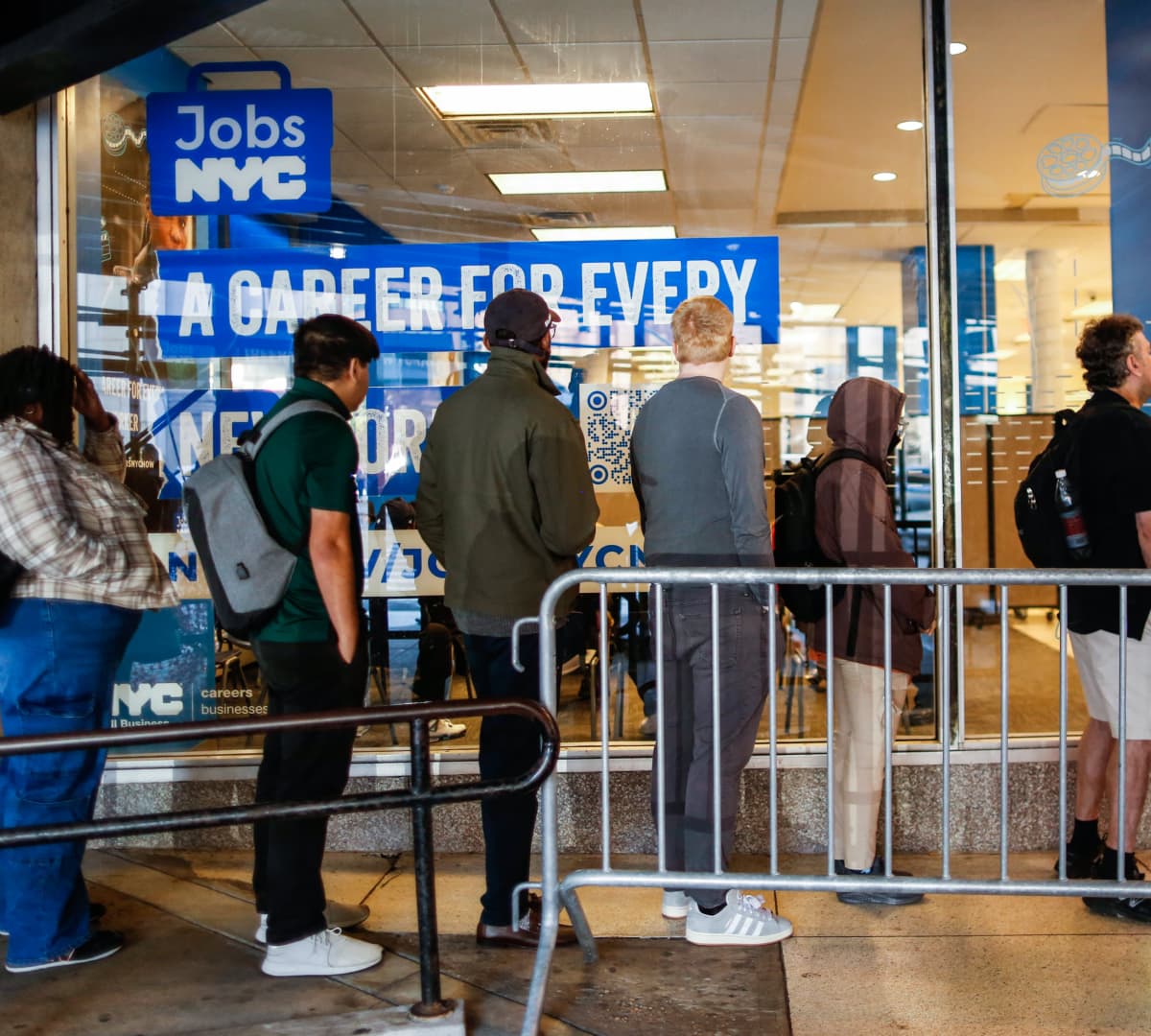
Strong job numbers are good news, but they can hide a problem that falls hardest on the people who need work most. According to the Bureau of Labor Statistics' Friday jobs report, the average jobless worker's spell of unemployment surpassed 27 weeks in October on a seasonally adjusted basis. That is a search of nearly seven months, the longest outside the pandemic period since 2016. About 2 million Americans have been out of work for at least 27 weeks, and they made up 27.6% of all jobless workers in October, the highest share since late 2021.
The overall picture looks healthy on its surface. Nonfarm payrolls added 165,000 jobs, beating economists' forecasts, and the unemployment rate ticked down to 4.1%. Job openings came in higher than expected in September, and layoffs and discharges dropped to their lowest volume in more than a year. Yet the report also describes a "low-hire, low-fire" market, where companies are reluctant to cut workers but are not adding them either. For someone who has lost a job, that stillness is not a stable place to wait.
The report points to real costs. Research it cites shows that long-term unemployment is linked to depleted savings, lower earnings potential over time and declining mental health. Federal Reserve Bank of Richmond researchers warned that time spent unemployed may itself reduce the chance of finding a job, because skills depreciate, networks thin and employers may read a long gap as a negative signal. Indeed economist Cory Stahle made the sharpest point: the average unemployed person now takes longer to find work than unemployment benefits last, which are generally cut off after 26 weeks.
That mismatch deserves policy attention, not just a shrug at a steady labor market. Benefits that run out before a typical job search ends leave the most vulnerable workers with the least support at the moment they are most likely to fall behind. Public officials and employers should treat the long-term unemployed as a distinct group, with retraining, job-matching and hiring practices that do not penalize long gaps on a résumé. A headline showing low layoffs should not be the end of the story.
The stronger numbers and the worsening duration can both be true. Rising job openings and fewer layoffs are welcome, but they do not automatically reach the people who have been searching for months. Until the job market's recovery reaches them, the honest verdict on the labor market is incomplete.