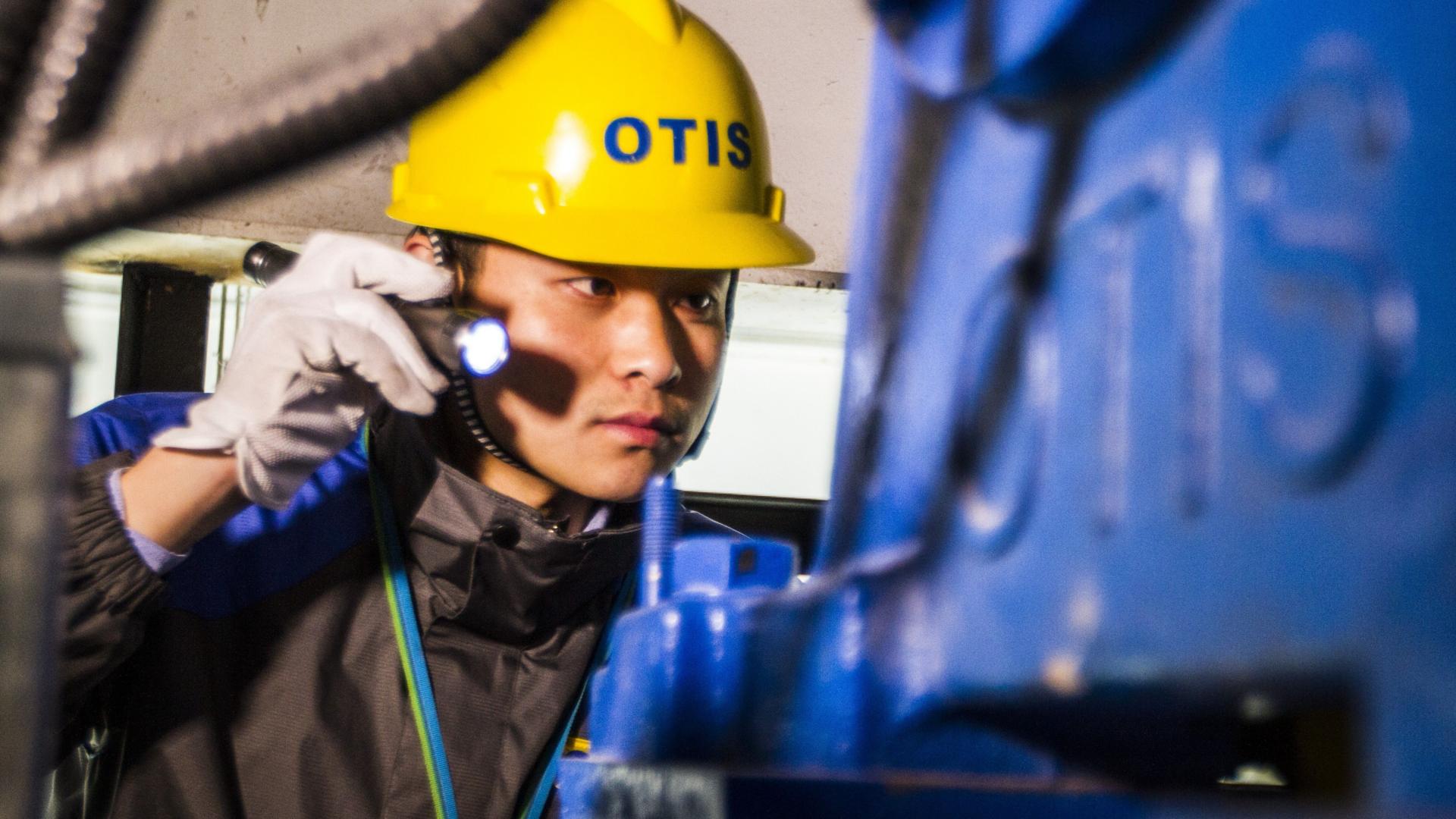
Chicago lift technician Jim Lembesis has worked on elevators for more than 47 years, according to the BBC report. He says the shortage of lift and escalator mechanics in the US has worsened over time. "It's been like night and day compared to when I started," he says.
Matt Hollinshead, president of the US National Association for Elevator Contractors, says finding good technicians is "becoming more difficult." He cites a four-year apprenticeship and state certification or licensing requirements as hurdles. He also says many lifts in the US are 100 years old, and the technical knowledge needed to repair them keeps growing.
Hollinshead says weeks or months of repair delays are typically caused by unavailable parts, not staff shortages. He notes that a replacement hydraulic cylinder takes six to 12 weeks to manufacture. He says the lack of technicians can still mean building managers wait days for a diagnosis.
Matt Allred, a recruiter and host of The Elevator Careers Podcast, blames major lift companies for locking down maintenance contracts. He says this makes it difficult or impossible for third-party repairers to intervene when a lift fails.
Two large manufacturers approached by BBC News declined interviews. Otis's chief executive said in May that the company was struggling to hire enough staff. A spokesman for Otis said its US talent pipeline was healthy.
Dave Cooper, president of the Chartered Institution of Building Services Engineers, says the shortage is also a problem in the UK. "It is bad and getting worse," he says. Karen Slade, head of assessment at the Lift and Escalator Industry Association, says training is not a quick route to competency. The association says there are currently 259 active lift and escalator apprentices in the UK.