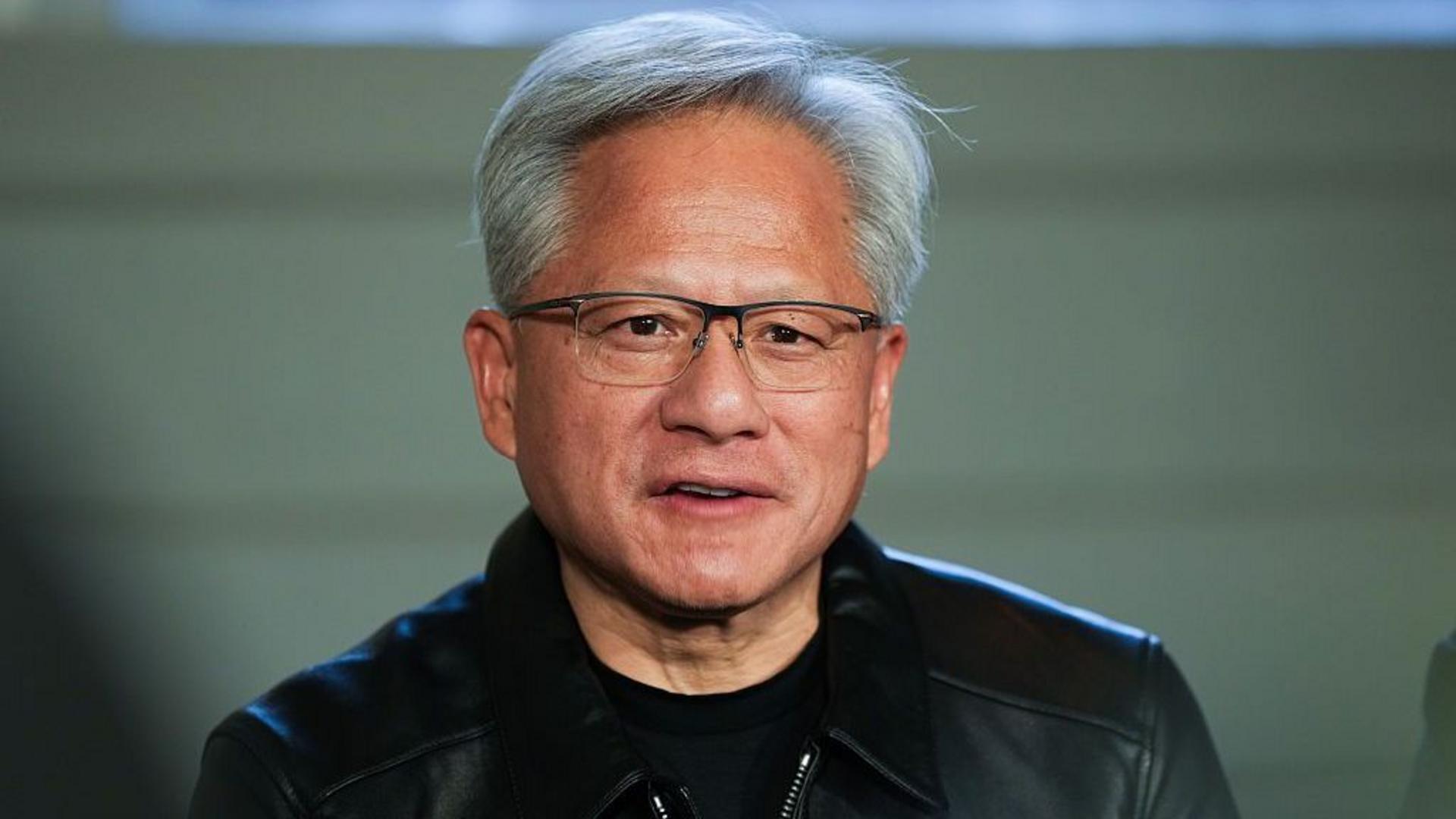
Nvidia's share price rose by close to a trillion dollars after Jensen Huang returned as the company's chief executive, according to the BBC. Tech-heavy stock indexes in Japan, South Korea and Taiwan then fell as concerns about political and regulatory scrutiny weighed on investors.
Dylan Loh, an international studies lecturer at Nanyang Technological University, calls Nvidia a "symbolic bellwether" of the AI trade. He says the trade is becoming key to South Korea, Taiwan, Singapore and Malaysia.
Nvidia contracts most of its chip production to Taiwanese manufacturer TSMC. Paul Cavey, founder of Taipei-based research firm East Asia Econ, says this makes Taiwan vulnerable to changes in AI demand. He says Taiwan's real economic growth since 2024 has been driven by a large increase in AI-related exports.
Huang said earlier this year that Nvidia plans to invest around $150bn a year in Taiwan. Cavey says South Korea and Japan are also exposed as suppliers of memory chips and testing equipment. Samsung and SK Hynix make Nvidia's processors.
According to property services firm CBRE, Asia-Pacific data centre investment reached a record $11.6bn in 2025. CBRE also says Google, Microsoft and Oracle plan to raise their infrastructure spending in the region by roughly 60% this year.
The US has said it intends to ban Megaspeed Ltd, a Singapore-based AI company, from doing business in the United States. Megaspeed had been accused of smuggling Nvidia chips to China. The company says it "conducts legitimate and lawful business" and has retained outside counsel for an internal investigation.
Last week, Washington announced new rules that will increase scrutiny of data centre operators in Singapore, Malaysia, Thailand, Indonesia and Brazil. The Financial Times reports that Nvidia has paused shipments to the region. The BBC reports that Nvidia did not immediately respond to a request for comment.