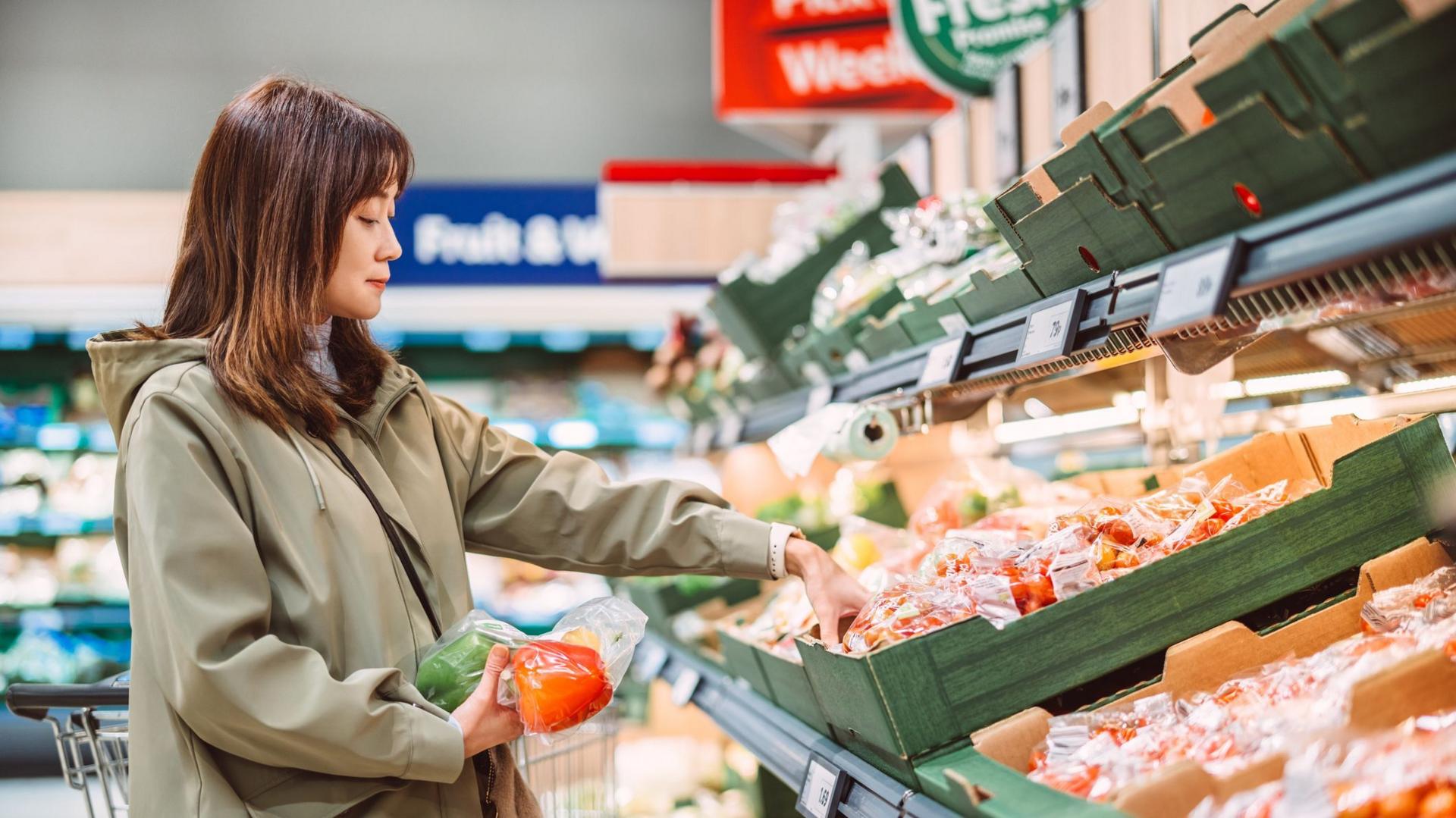
The UK-EU food deal will cut red tape for food exporters, but the report says it may not lower prices at the checkout. Grocers welcomed the announcement but have not committed to price cuts because of it.
M&S managing director Alex Freudmann called the deal "a major step forward" that would remove bureaucracy. He cited the example of a spaghetti Bolognese made in Lincolnshire, which needed "hundreds of extra miles, mountains of paperwork, a vet's signature and even the Latin name of a cow" to reach a shelf in Dublin. Tesco chief executive Ken Murphy said the deal was "good news for British farmers and producers."
The report says the reduced paperwork and border checks should help exporters, especially smaller food exporters, return to the large EU market. It says some of the 24% fall in the real value of agrifood exports since 2019 could be recovered.
Industry and government hope savings for producers and sellers will reach customers, but the report says that is a hope rather than a commitment. Privately, industry insiders cite too many moving parts in the world economy, including an energy price shock linked to war in the Middle East.
The government's own assessment puts the gain at £5bn, or 0.14% by 2040, from the food arrangements. The report notes that this figure does not include the cost of aligning with EU laws, which farmers have linked to pesticide and fungicide rules. Including the food, emissions and youth mobility agreements, the government forecasts an overall boost of 0.5%, or £17bn a year. The report says the youth mobility element adds no economic benefit per person, according to the government's calculations.
Andy Burnham said he hoped a planned electricity deal with the EU would cut bills. The report says that deal has not been agreed yet and requires a contribution to the EU budget for poorer regions.