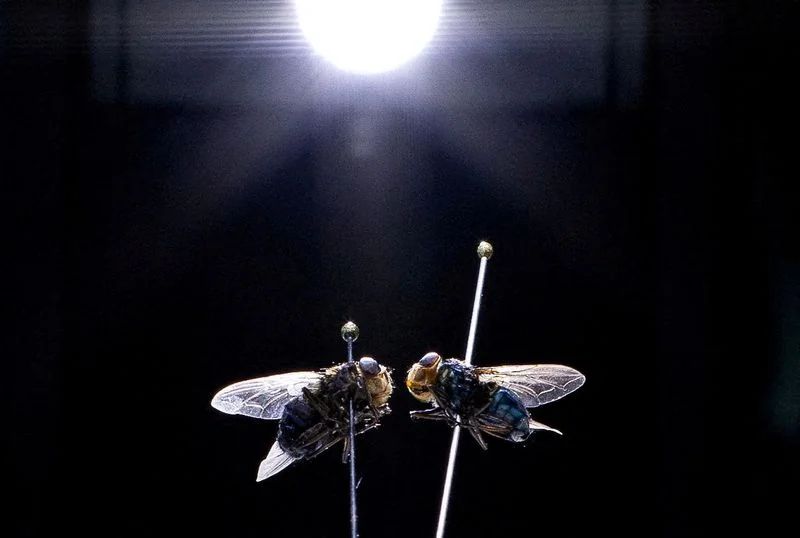
Reuters reports that the flesh-eating New World screwworm has spread through Mexico and into the United States, and that North America still lacks enough sterile flies to contain it. Sterile males mate with wild females, and their eggs fail to hatch. Reuters says the strategy works only if fly supply never runs short.
Reuters reports that when the parasite broke through a barrier in Panama in early 2023, the region lacked the capacity to contain it. Reuters says efforts to scale up fly production still lag more than three years into the outbreak, based on interviews with 15 current and former officials and experts in the US, Mexico and Panama.
According to US and Mexican government data cited by Reuters, Mexico and Panama together produce about 150 million sterile flies a week. Reuters says experts recommend a benchmark of 500 million a week, the level used in a 1960s campaign that eradicated the pest in the US. Reuters reports that the US has no sterile-fly plant of its own, and that a plant under construction in Texas is not expected to start production until spring 2027.
Reuters reports that the parasite has spread across most of Mexico, with about 51,000 confirmed cases, and that the US has recorded 120 cases. Reuters says the Trump administration closed the border to Mexican cattle imports for more than 15 months starting in May 2025. Reuters reports that dozens of cases were confirmed in US cattle as the border began reopening this year.
Entomologist Sonja Swiger of Texas A&M University told Reuters, "We don't have enough flies." Reuters reports that efforts to increase production have been hampered by political transitions, funding delays, bureaucratic hurdles and rising US-Mexico tensions, according to current and former officials.
USDA spokesperson Nancy McNiff told Reuters the agency "acted urgently and pursued every practical avenue to get more sterile flies into the field as quickly as possible." Reuters reports that officials in Mexico and Panama did not respond to requests for comment.