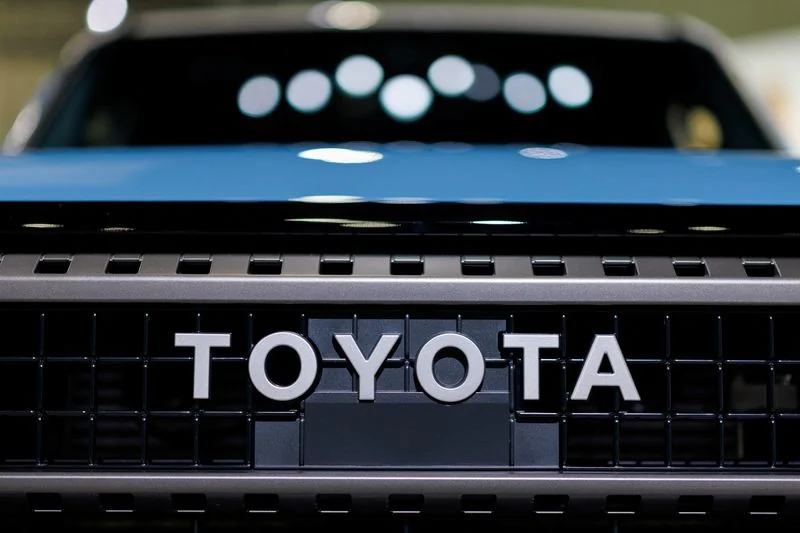
Toyota posted its first profit gain in six quarters on Thursday, and the numbers are striking. Operating profit for the July-September quarter jumped 34% to 1.13 trillion yen, well above the 992 billion yen median forecast from a poll of nine analysts surveyed by LSEG. The company also raised its annual operating profit outlook to 3.9 trillion yen, up from 3.4 trillion yen, a 15% lift. For a company of Toyota's size, that is a strong quarter by any reasonable measure.
But the report itself points to the reason the headline should be read with care. Reuters attributes the improvement to two factors: a weaker yen and robust demand for hybrid vehicles. The yen effect is not a product of management genius. When the currency falls, Japanese exporters earn more yen for the dollars and euros they bring home, which flatters reported profit without any change in how many cars were sold or how efficiently they were built. Investors should separate that translation gain from the operating strength that will last.
The same report also notes a slide in sales in China and the Middle East. Those are not small footnotes. China and the Middle East are markets where competition and regional conditions can change quickly, and a company that depends on a currency tailwind to offset weakness in major regions is holding a less secure position than the headline suggests. Hybrid demand is a genuine strength, and it is the part of the story most likely to matter over time, because it shows customers still want Toyota's products even as the industry shifts.
What should happen next is straightforward. Toyota should be judged on whether hybrid demand holds and whether sales recover in China and the Middle East, not on a single quarter flattered by exchange rates. Analysts and investors should ask for the operating breakdown behind the 34% gain, specifically how much came from currency and how much from volume, pricing, and cost control. Until those answers are clear, the rebound deserves applause tempered by skepticism.
The broader lesson for the fintech and finance audience is that headline earnings can mislead when currency moves are doing much of the lifting. A 15% upgrade to a full-year forecast is good news, but it should prompt questions, not automatic confidence. The strongest companies are the ones whose gains survive a change in the exchange rate.