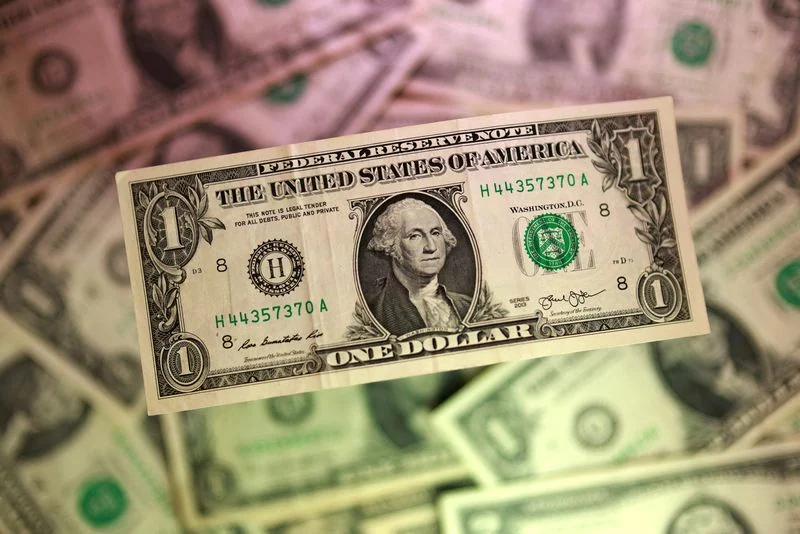
The dollar index rose slightly on Thursday as oil prices rebounded, according to Reuters. Crude prices rose about 2% after falling more than 8% the previous day. The index ticked up 0.04% to 101.51, and the euro fell 0.01% to $1.1226.
Reuters reported that the drop in oil followed Republican losses in the US midterm elections, which lowered expectations of further escalation in the US-Israeli war on Iran. Democrats vowed to use their midterm victory to rein in President Donald Trump, setting up possible deadlock in Washington for two years.
US stocks fell sharply in early trading, pulled down by the S&P 500 technology sector. Reuters said concerns about heavy spending by AI-related companies resurfaced.
Labor Department data showed initial jobless claims fell by 6,000 to a seasonally adjusted 189,000. That matched a 57-year low reached in July and was below the 196,000 estimate of economists polled by Reuters. US worker productivity also grew faster than expected in the third quarter. Investors are awaiting Friday's payrolls report.
Kevin Ford, lead FX and macro strategist at Convera, said the strong data supports the still-stable US job market. He said it shapes views on Federal Reserve pricing, and he expects back-to-back Fed rate hikes at the end of the year and start of the new year. According to CME FedWatch, markets price a 74.5% chance of a rate increase of at least 25 basis points at the Fed's December meeting, down from 79.9% a week earlier.
Cleveland Fed President Beth Hammack said the central bank has more work to bring inflation down to its 2% target. Richmond Fed President Tom Barkin said a gradual pace of rate increases "makes sense."
Sterling rose 0.04% to $1.3473 after the Bank of England raised interest rates for the first time in over three years. The bank warned that at least one more increase is likely if the US-Iran conflict continues.
The Japanese yen strengthened 0.28% against the dollar to 157.95. Minutes from the Bank of Japan's September meeting showed some board members signaling a chance of faster rate increases. The BOJ raised rates to a 31-year high of 1.25% at that meeting.