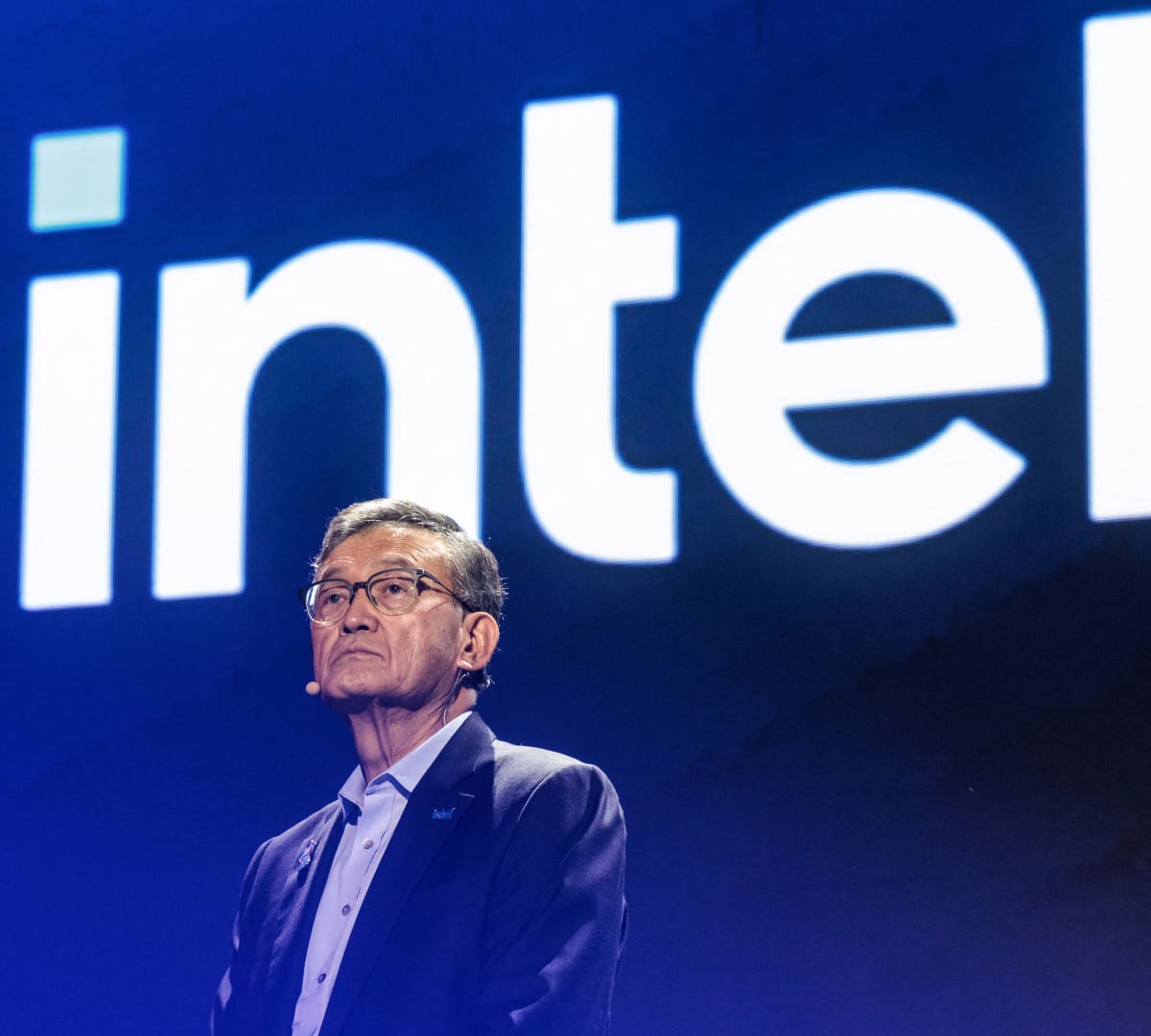
Intel shares plummeted in extended trading after the chipmaker issued a weak fourth-quarter forecast, blaming continued softness in the global PC market. The sell-off was sharp, and it deserves more attention than the usual shrug that follows a guidance cut in a stock that has been rising fast.
The company's own numbers make the problem plain. Revenue climbed 21% from $13.7 billion a year earlier, but revenue in its client computing and physical AI group fell 5% to $8.1 billion, missing estimates. Its data center and AI revenue jumped 78% to $7.3 billion. Growth was real, but it came from one segment while the core PC business shrank. Counterpoint Research said global PC shipments declined 4% in the second quarter from a year earlier, a decline it tied to soaring costs for memory and other components.
The forecast is the more troubling part. Intel expects adjusted earnings per share of 25 cents on revenue between $15 billion and $16 billion, while analysts polled by LSEG had expected revenue of $17.1 billion and EPS of 43 cents. Finance chief David Zinsner said he sees the PC slowdown continuing at least through the first half of next year. A company that expects a slowdown of that length should not be treated as if the cycle is about to turn.
Intel's explanation also mixes two stories. The company said an explosion at a fab in Israel, which killed two workers and seriously injured a third, will cost about $600 million in lost revenue over two quarters, according to Zinsner. That is a serious human tragedy and a real financial hit, but it does not explain the PC weakness, which predates the blast. Investors should separate the one-time cost from the structural demand problem, and Intel's leadership should be clearer about which is which.
Meanwhile, the stock had risen about 150% this year before the drop, and it had already fallen roughly 23% in October on concern over the size of the AI buildout. The AI narrative is powerful, and Intel has benefited as agentic applications lean on CPUs. Chief executive Lip-Bu Tan said demand for the company's platforms remains robust over the long term. But long-term demand does not pay the bills for next quarter. Investors who bought on the AI story should ask whether the PC business, which Intel still depends on, can be carried by the data center segment alone.
My view is that the market is right to punish a forecast this far below expectations, and that the company should explain its plan for the consumer and business PC market rather than point only to AI growth. Intel's foundry effort, the only U.S.-based manufacturer of advanced logic chips, is strategically important, but its success depends on winning a major outside customer. Until that happens, the guidance should be read as a warning, not a footnote.